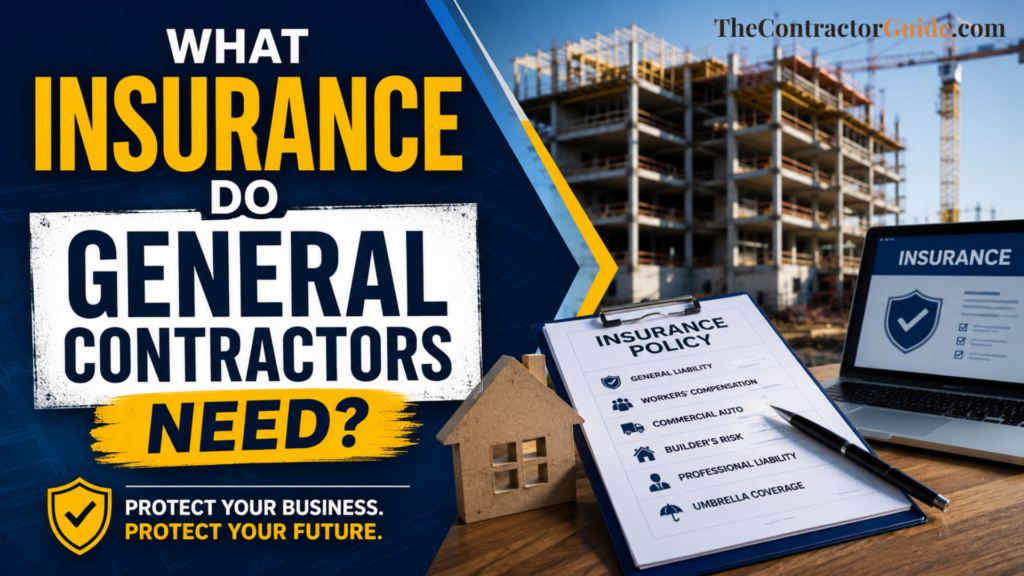
Like a sturdy foundation for a building, insurance is crucial for general contractors. You face various risks daily, from accidents on site to project delays. Understanding the right types of coverage can protect your business and enhance your reputation. So, what exactly do you need to ensure you’re covered? The answer might surprise you, as it goes beyond just the basics.
Understanding the Importance of Insurance for Contractors
When you take on a project as a general contractor, understanding the importance of insurance isn’t just a good idea—it’s essential. It protects you, your team, and your clients from unexpected setbacks.
Think about it: one accident can lead to costly repairs or legal issues that could jeopardize your business. Having the right coverage means you won’t have to shoulder these burdens alone.
It also boosts your credibility, showing clients you take responsibility seriously. Plus, it fosters a sense of trust within your community, making you more approachable.
By prioritizing insurance, you’re not just safeguarding your work; you’re building a foundation of reliability that attracts more projects and strengthens relationships.
Embrace this essential aspect, and watch your business thrive.
Types of Risks General Contractors Face
As a general contractor, you’re constantly navigating various risks that can impact your projects and bottom line. From delays due to weather conditions to accidents on-site, each day presents new challenges.
You might face liability issues if a worker gets injured or if property damage occurs during your project. Additionally, subcontractor reliability can be a concern; a missed deadline from them can ripple through your schedule.
Financial risks also loom, especially if project costs exceed estimates or clients delay payments. Understanding these risks is crucial, not just for your peace of mind but also for fostering trust within your team and clients.
What Is General Liability Insurance?
General liability insurance is a crucial safeguard for general contractors, protecting you from unforeseen incidents that can lead to significant financial losses. This coverage not only shields your business but also fosters trust within your community.
Here’s what it covers:
- Bodily Injury: Accidents can happen on-site; you don’t want to be left liable.
- Property Damage: Protect yourself against claims for damage to client property.
- Personal Injury: This includes defamation or false advertising, which can harm your reputation.
- Legal Defense Costs: If you face a lawsuit, these costs can skyrocket quickly.
Having general liability insurance means you’re not just protecting your business; you’re also ensuring peace of mind for you and your clients.
You belong to a community that values safety and professionalism.
Why You Need Workers’ Compensation Insurance
When you run a contracting business, workers’ compensation insurance isn’t just a smart choice—it’s often a legal requirement.
This coverage not only protects you from financial losses due to workplace injuries but also emphasizes the importance of employee safety.
Understanding these aspects can help you make informed decisions for your business and your team.
Legal Requirements Explained
Understanding the legal landscape of construction is crucial for every contractor. Workers’ compensation insurance isn’t just a formality; it’s a lifeline for you and your team. Failing to secure it can lead to severe consequences, not just financially but also emotionally.
Here’s why you can’t overlook this requirement:
- Protect Your Team: Ensure your workers are safe and cared for.
- Avoid Legal Trouble: Stay compliant with state laws to avoid fines.
- Build Trust: Show your clients you prioritize safety and professionalism.
- Peace of Mind: Focus on your projects, knowing you’re covered against unexpected incidents.
Investing in workers’ compensation isn’t just smart; it’s an essential part of fostering a supportive and responsible work environment.
Financial Protection Overview
Workers’ compensation insurance acts as a vital safety net for contractors, shielding you from financial turmoil in the event of workplace injuries. Without it, a single accident could lead to crippling costs, not just for you but also for your team. This insurance ensures that your workers receive necessary medical care while protecting your business from lawsuits.
| Benefits of Workers’ Comp | Consequences of Not Having It |
| Covers medical expenses | Potentially high out-of-pocket costs |
| Provides wage replacement | Risk of lawsuits |
| Enhances worker morale | Loss of trust among employees |
Investing in workers’ comp not only safeguards your finances but also fosters a supportive work environment where your team feels valued and protected.
Employee Safety Importance
Employee safety is paramount in the construction industry, and having workers’ compensation insurance is a key part of that commitment. This insurance not only protects you but also shows your team that you care about their wellbeing.
When your employees feel secure, they’re more likely to thrive and feel a sense of belonging in your company. Here’s why investing in workers’ comp is crucial:
- Financial support: Covers medical expenses for injuries.
- Peace of mind: Employees feel safe knowing they’re protected.
- Team morale: A supportive environment boosts productivity.
- Legal compliance: Helps you avoid fines and lawsuits.
Ultimately, prioritizing safety fosters a culture where everyone feels valued and connected.
The Role of Professional Liability Insurance
When you’re managing projects, errors and omissions can happen, and that’s where professional liability insurance comes in.
This coverage protects you against claims that arise from your work, ensuring you’re not left vulnerable to costly disputes.
Coverage For Errors And Omissions
Professional liability insurance is essential for general contractors, as it covers errors and omissions that may occur during a project. When you’re dedicated to your craft, the last thing you want is to face financial loss from unforeseen mistakes.
This coverage helps you feel secure in your work, ensuring you can continue building your reputation. Here are some reasons why having this insurance matters:
- Peace of Mind: Know you’re protected against unexpected claims.
- Financial Security: Shield your assets from costly mistakes.
- Client Trust: Instill confidence in your clients with professional coverage.
- Reputation Protection: Safeguard your hard-earned name in the industry.
With this insurance, you’re not just protecting yourself; you’re investing in your future and your community.
Protecting Against Claims Risks
Protecting yourself against claims risks is crucial for any general contractor, especially since even minor oversights can lead to significant legal challenges. That’s where professional liability insurance comes in. This coverage helps shield you from claims related to negligence, errors, or omissions in your work.
When clients feel disappointed or voice concerns, having this insurance means you’re not facing hefty legal fees alone. It reassures clients that you take your responsibilities seriously, fostering trust in your relationships.
Additionally, it can enhance your reputation, showing you’re committed to quality and accountability. By securing professional liability insurance, you’re not just protecting your business; you’re investing in peace of mind and a stronger community around your work.
Commercial Auto Insurance for Contractors
For contractors, having the right commercial auto insurance is essential—especially since your vehicles are often your most valuable tools. This coverage not only protects your investment but also ensures you can keep your projects running smoothly.
Here’s why you need it:
- Peace of Mind: Knowing you’re covered if an accident happens can ease your stress.
- Financial Security: Avoid hefty repair bills that can disrupt your cash flow.
- Legal Protection: Stay compliant with regulations and protect yourself from lawsuits.
- Business Reputation: A reliable vehicle reflects your professionalism and commitment to clients.
Investing in commercial auto insurance isn’t just smart; it’s about belonging to a community that values responsibility and trust.
Understanding Property Insurance for Contractors
Property insurance is a crucial shield for contractors, safeguarding your tools, equipment, and materials from unexpected events.
When you invest in property insurance, you’re not just protecting your assets; you’re securing your livelihood and the trust your clients place in you.
Imagine losing a valuable piece of equipment or facing damage on-site—property insurance helps you recover quickly, allowing you to focus on what matters most: completing your projects on time.
It’s about belonging to a community that values professionalism and reliability.
With the right coverage, you can approach each job with confidence, knowing you’ve got a safety net.
So, take the time to evaluate your needs and choose a policy that fits your unique situation.
Your business deserves it.
What Is Builder’s Risk Insurance?
Builder’s risk insurance is essential for any construction project, providing crucial coverage during the building phase. It protects your investment and ensures peace of mind as you work toward your goals.
When you have this insurance, you’re safeguarding against unexpected setbacks. Here’s what it typically covers:
- Fire Damage: Protects against loss from fires that can halt your project.
- Theft: Covers stolen materials, so you won’t face financial loss.
- Vandalism: Shields your project from acts of destruction that can happen on-site.
- Weather Damage: Insures against damages caused by storms or other natural events.
The Benefits of Umbrella Insurance Policies
While builder’s risk insurance protects your construction project during its development, umbrella insurance policies offer an additional layer of security that can safeguard your business against unexpected liabilities.
These policies kick in when your other insurance limits are reached, covering costs that might otherwise leave you vulnerable. You’ll find peace of mind knowing you’re protected from large claims, such as those arising from accidents on-site or contractual disputes.
Plus, having umbrella insurance can enhance your credibility with clients, showing them you’re serious about risk management. It’s not just about compliance; it’s about creating a safety net that helps you focus on what you do best—delivering quality work and growing your business confidently.
Implementing Umbrella Insurance: Steps for Contractors
When you decide to implement umbrella insurance, it’s essential to take a structured approach to ensure you’re fully covered. This extra layer of protection can bring peace of mind, knowing you’ve safeguarded your business and reputation.
Here are some steps to guide you:
- Assess Your Risks: Identify potential liabilities unique to your projects.
- Review Existing Policies: Understand your current coverage limits and gaps.
- Consult an Expert: Engage with an insurance agent who specializes in contractor needs.
- Choose the Right Limits: Determine appropriate coverage based on your assets and risk exposure.
Following these steps not only protects you but also fosters a sense of security within your community. You’re building trust, and that’s invaluable.
Factors Influencing Insurance Premiums for Contractors
Insurance premiums for contractors hinge on several crucial factors that can significantly impact costs. Your business size, the types of projects you take on, and your claims history all play a vital role.
If you work on high-risk projects, expect higher premiums. Additionally, the location of your projects matters; areas prone to natural disasters can increase costs.
Your coverage limits and deductibles also influence your premium—higher limits typically mean higher costs.
Lastly, the insurance company’s assessment of your business practices and safety measures can lead to lower rates if they see you prioritize risk management.
Understanding these factors helps you make informed decisions, ensuring you get the coverage you need without breaking the bank.
Common Insurance Exclusions
Understanding your insurance policy goes beyond just knowing the premiums; it’s also about recognizing what isn’t covered. Many contractors feel secure, but overlooking exclusions can lead to costly surprises.
Here are some common exclusions you might face:
- Wear and Tear: Routine maintenance issues aren’t usually covered, leaving you vulnerable to unexpected repair costs.
- Contractual Liabilities: If you sign a contract that holds you liable for certain damages, your policy mightn’t cover those.
- Intentional Acts: Any damage caused by negligence or deliberate actions won’t be compensated.
- Unlicensed Work: If you’re not properly licensed, claims may be denied, putting your business at risk.
Being aware of these exclusions can help you protect your business and foster a sense of belonging in the contracting community.
Choosing the Best Insurance Provider for Your Needs
When choosing the best insurance provider for your needs, start by assessing the coverage options available.
Next, compare premium costs effectively to ensure you’re getting value for your money.
Finally, evaluate the provider’s reputation thoroughly to ensure reliability and quality service.
Assess Coverage Options Available
Navigating the world of insurance can feel overwhelming, especially when you’re trying to find the right coverage for your contracting business.
To ensure you’re protected, consider these vital coverage options:
- General Liability Insurance: Protects you from claims of bodily injury or property damage.
- Workers’ Compensation Insurance: Covers your employees if they get injured on the job, fostering a safe work environment.
- Commercial Auto Insurance: Essential for vehicles used for work, safeguarding against accidents and damages.
- Professional Liability Insurance: Shields you from claims related to errors or omissions in your work.
Choosing the right coverage not only protects your business but also gives you peace of mind, letting you focus on what you do best—building relationships and creating quality work.
Compare Premium Costs Effectively
How can you find the best insurance premiums for your contracting business? Start by gathering quotes from multiple providers. This lets you compare costs and coverage directly.
Don’t just focus on the lowest price; consider what each policy covers. Look for discounts, like bundling multiple policies or having a good safety record.
Next, assess your unique needs. Factors like project size and type of work can affect premiums.
Engage with fellow contractors in your community to share experiences and recommendations. Their insights can guide you toward reputable providers.
Evaluate Provider Reputation Thoroughly
Finding the right insurance provider for your contracting business is crucial for your peace of mind and financial security. You want someone you can trust, who understands your needs.
To evaluate a provider’s reputation thoroughly, consider these four key points:
- Customer Reviews: Check online testimonials to see how others feel about their service.
- Claims Experience: Research how smoothly past claims have been processed—this reflects reliability.
- Industry Recommendations: Seek advice from fellow contractors; their insights can be invaluable.
- Financial Stability: Look into their financial ratings to ensure they’ll be there when you need them.
Tips for Managing Insurance Claims Effectively
When you face an insurance claim, staying organized and proactive can make a significant difference in the outcome. Start by documenting everything—photos, emails, and notes about conversations. This creates a clear timeline and a solid case.
Don’t hesitate to reach out to your insurance agent frequently; they’re there to help. Make sure you understand your policy and what’s covered to avoid surprises.
If you encounter delays or issues, stay persistent but polite; a friendly approach can go a long way.
Lastly, consider seeking advice from fellow contractors who’ve navigated similar claims. Sharing experiences can provide valuable insights and make you feel more connected in this journey. You’re not alone in this process!
State-Specific Insurance Requirements for Contractors
Understanding state-specific insurance requirements is crucial for contractors, as these regulations can vary significantly from one location to another. Staying informed not only protects your business but also fosters trust within your community.
Here are four key considerations to keep in mind:
- Licensing Requirements: Ensure you meet your state’s contractor licensing laws.
- Minimum Coverage Levels: Know the minimum insurance coverage your state mandates.
- Workers’ Compensation: Most states require this to protect your employees.
- Liability Insurance: Some states have specific rules regarding liability coverage.
Conclusion
In the bustling world of construction, having the right insurance is like a sturdy safety net, catching you before you fall. It shields you from unexpected risks, allowing you to focus on building dreams rather than worrying about what-ifs. By securing comprehensive coverage, you’re not just protecting your business; you’re crafting a reputation of reliability. So, equip yourself with the right policies and watch your projects rise confidently, knowing you’ve got the safety measures in place.