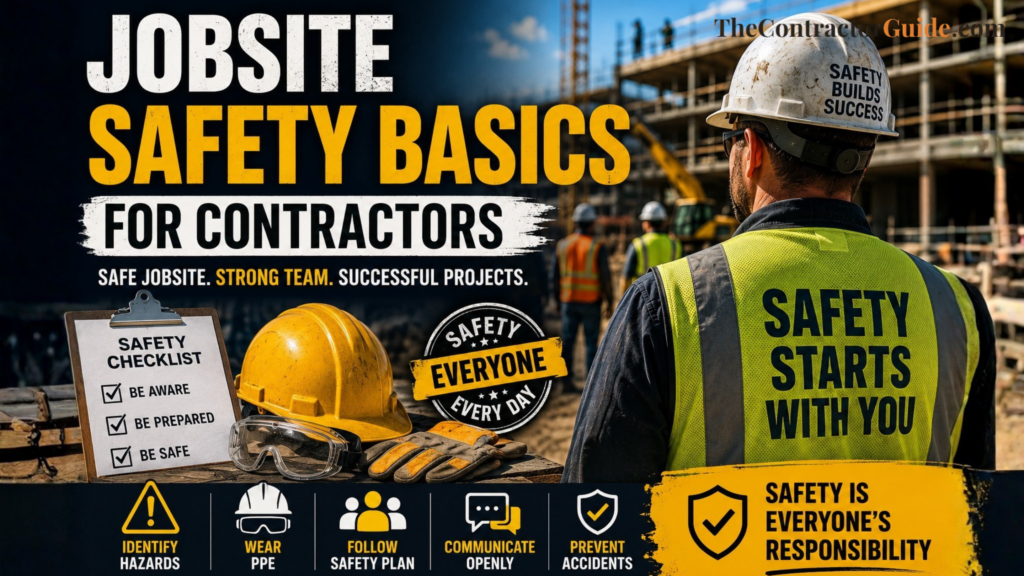
Jobsite safety is more than just a checklist; it’s a critical component of your project’s success. Every year, countless injuries occur due to preventable hazards, and understanding these risks can save lives and boost productivity. You might think you have safety covered, but are you really aware of all the common dangers lurking on your site? Let’s explore the essentials of jobsite safety and how you can create a safer work environment for everyone involved.
Why Jobsite Safety Is Essential for Contractors
Jobsite safety is crucial for contractors, as it not only protects workers but also enhances productivity and fosters a culture of trust.
When you prioritize safety, you create a supportive environment where everyone feels valued and secure. This sense of belonging encourages teamwork, allowing workers to communicate openly and share concerns.
As a contractor, you’ll notice that a safe job site reduces accidents and downtime, ultimately leading to higher morale and better performance.
Moreover, clients appreciate a commitment to safety, which can enhance your reputation and lead to more projects.
Common Hazards on Construction Sites
Construction sites are bustling environments filled with various activities, but they also come with inherent risks. You need to be aware of common hazards to keep yourself and your team safe. Here’s a quick overview of some typical dangers you might encounter:
| Hazard | Description | Prevention |
| Falls | Slips or trips from heights | Use guardrails and ladders |
| Electrical Hazards | Contact with live wires | Follow lockout/tagout rules |
| Heavy Machinery | Injuries from operating equipment | Get trained and stay alert |
| Hazardous Materials | Exposure to chemicals | Use proper storage and labels |
Essential Personal Protective Equipment (PPE) for Contractors
Understanding the common hazards on construction sites is just the beginning; protecting yourself from these risks is vital.
Wearing the right personal protective equipment (PPE) isn’t just smart—it’s essential for your safety and well-being.
Here’s a quick list of must-have PPE for every contractor:
- Hard hats to shield your head from falling objects
- Safety goggles to protect your eyes from dust and debris
- High-visibility vests for being seen in low-light conditions
- Steel-toed boots to guard against heavy loads
- Gloves to protect your hands from cuts and abrasions
How to Conduct a Jobsite Safety Assessment
To ensure a safe working environment, you should regularly conduct a jobsite safety assessment. Start by walking the site with your team, identifying potential hazards like uneven surfaces or exposed wiring.
Encourage open dialogue—ask your crew for input on safety concerns they’ve noticed.
Next, evaluate your equipment and tools; ensure everything’s in good condition and properly stored. Don’t forget to check that all safety signage is visible and clear.
Document your findings and share them with your team, fostering a culture of accountability.
Finally, schedule follow-up assessments to track improvements and address new risks. By involving everyone in this process, you’ll strengthen team bonds and create a safer, more supportive workplace for all.
Creating a Jobsite Safety Plan: Key Elements
After conducting a thorough jobsite safety assessment, the next step is creating a robust safety plan. This plan’s essential elements won’t only protect your team but also foster a culture of safety.
Here are key components to include:
- Clear Objectives: Define specific safety goals for your project.
- Roles and Responsibilities: Assign safety tasks to team members to ensure accountability.
- Safety Procedures: Outline protocols for common hazards and emergencies.
- Training Requirements: Specify necessary training for all employees to stay informed.
- Communication Plan: Establish how safety updates and concerns will be shared.
Implementing Your Jobsite Safety Plan Effectively
Implementing your jobsite safety plan effectively requires commitment from every team member. To create a culture of safety, start by clearly communicating the plan’s details.
Make it a point to involve everyone in discussions, encouraging input and suggestions. Regular safety meetings foster a sense of belonging and accountability, ensuring everyone feels heard.
Assign specific roles and responsibilities, so everyone knows their part in maintaining safety standards. Use visual reminders around the site to keep safety at the forefront of daily activities.
Encourage reporting of hazards without fear of backlash; this openness strengthens teamwork and trust. Lastly, celebrate safety milestones together, reinforcing the idea that safety is a shared value.
How Safety Training Empowers Construction Workers
Safety training equips construction workers with essential skills that significantly enhance their ability to work safely. When you engage in safety training, you not only learn the necessary protocols but also foster a culture of safety on the jobsite. This empowers you and your team to look out for one another.
Here’s how safety training makes a difference:
- Understand potential hazards and risks
- Learn proper use of personal protective equipment (PPE)
- Gain knowledge of emergency procedures
- Develop effective teamwork and communication skills
- Build confidence in your ability to handle challenges
Why Communicating Safety Matters on the Jobsite
While you’re working on a construction site, clear communication about safety can make all the difference in preventing accidents. When everyone understands the safety protocols, you’re creating an environment where everyone feels secure and valued.
Regularly discussing safety encourages team members to share concerns and suggestions, fostering a sense of belonging. It’s important to speak up when something doesn’t seem right; your voice matters. Using simple language and clear signals can help everyone stay on the same page.
Identifying and Mitigating Jobsite Risks
To keep your jobsite safe, you need to recognize common hazards that could lead to accidents.
Understanding these risks and using effective assessment techniques can help you create a safer environment for everyone.
Let’s look at how you can identify and mitigate these potential dangers.
Common Jobsite Hazards
Common jobsite hazards can pose serious risks if not properly identified and managed. By staying aware of these dangers, you can protect yourself and your crew.
Here are some common hazards to watch for:
- Slips, trips, and falls: Uneven surfaces or clutter can lead to accidents.
- Electrical hazards: Exposed wires or faulty equipment can cause severe injuries.
- Heavy lifting: Improper lifting techniques can lead to strains or sprains.
- Falling objects: Tools or materials can fall from heights, posing risks below.
- Chemical exposure: Improper handling of hazardous substances can affect health.
Risk Assessment Techniques
Understanding risk assessment techniques is crucial for maintaining a safe jobsite. Start by identifying potential hazards—take a walk around and note things that could pose risks, like uneven surfaces or unguarded machinery.
Involve your team in this process; their insights can highlight issues you might overlook. Once you’ve listed the risks, prioritize them based on their likelihood and potential impact.
Develop strategies to mitigate these risks, such as implementing safety training or using protective gear. Regularly review and update your assessments to adapt to any changes on-site.
Emergency Procedures Every Contractor Should Have
While emergencies can strike at any moment on a jobsite, having clear procedures in place ensures you and your crew can respond effectively.
It’s not just about safety; it’s about creating a culture where everyone feels secure and prepared.
Here are essential emergency procedures every contractor should implement:
- Establish a clear evacuation plan with designated routes.
- Conduct regular emergency drills so everyone knows their role.
- Keep first aid kits accessible and ensure team members know their locations.
- Designate a communication lead to relay information during emergencies.
- Document and review incidents to improve future responses.
The Benefits of Regular Safety Meetings for Jobsite Safety
After establishing emergency procedures, it’s vital to keep safety at the forefront of your jobsite culture. Regular safety meetings foster open communication, allowing everyone to voice concerns and share experiences.
These gatherings create a sense of belonging, reminding each team member that their safety matters. You’ll also reinforce safety protocols, ensuring everyone understands the latest practices and equipment.
Consistent meetings help identify potential hazards before they become a problem, promoting proactive solutions. Plus, they encourage teamwork, as you all work together to create a safer environment.
When everyone is engaged in safety discussions, it builds trust and camaraderie, making your jobsite not just safer but also a better place to work.
Prioritize these meetings, and watch your jobsite thrive.
Encouraging a Safety-First Culture Among Workers
Creating a safety-first culture starts with strong leadership commitment. When leaders prioritize safety, it sets the tone for everyone on the jobsite.
Regular training sessions reinforce this commitment and keep safety at the forefront of everyone’s mind.
Leadership Commitment to Safety
A strong commitment to safety from leadership fosters a culture where every worker feels valued and protected.
When you lead by example, you’re not just talking the talk; you’re walking the walk.
Here are some ways to show your commitment to safety:
- Prioritize safety in all meetings and discussions.
- Regularly recognize and reward safe behaviors among workers.
- Encourage open communication about safety concerns.
- Provide the necessary resources and tools for safe practices.
- Lead safety training sessions to reinforce its importance.
Regular Safety Training Sessions
Regular safety training sessions keep everyone on the same page and reinforce a culture that prioritizes safety. When you participate, you’re not just learning; you’re showing that you care about your teammates and their well-being.
These sessions create a sense of community, where everyone feels empowered to speak up about safety concerns. Encourage open discussions and share experiences, because learning from each other fosters trust.
Regular updates on safety protocols ensure you stay prepared for any situation. Plus, it’s a chance to recognize those who make safety a priority, strengthening team bonds.
Best Practices for Reporting and Investigating Accidents
When accidents occur on the job site, timely and accurate reporting can significantly impact the investigation process.
You need to establish a culture of open communication where everyone feels valued and safe to report incidents.
Here are some best practices to follow:
- Report immediately: Don’t wait; prompt reporting helps gather accurate information.
- Document thoroughly: Record all details, including time, location, and involved parties.
- Involve witnesses: Talk to anyone who saw the incident; their insights are invaluable.
- Analyze root causes: Investigate not just what happened, but why it happened to prevent future occurrences.
- Follow up: Ensure that lessons learned are communicated and implemented across the team.
Key OSHA Regulations Every Contractor Should Know
Establishing a safe work environment goes beyond reporting incidents; understanding OSHA regulations is vital for every contractor. Familiarize yourself with key standards like the General Duty Clause, which requires you to provide a workplace free from recognized hazards.
You should also know the regulations on fall protection—ensure your team uses proper harnesses and guardrails. Don’t overlook the importance of personal protective equipment (PPE); make sure everyone has access to hard hats, gloves, and goggles.
Additionally, keep up with training requirements to ensure your crew knows safety protocols. Remember, staying compliant not only protects your workers but also fosters a culture of safety that strengthens your entire team.
Embrace these regulations, and you’ll contribute to a safer jobsite for everyone.
Tools and Resources for Effective Jobsite Safety Management
To manage jobsite safety effectively, you need the right tools and resources at your fingertips.
Safety training resources, an equipment checklist, and incident reporting tools are essential for keeping everyone protected.
Let’s explore how these can help you create a safer work environment.
Safety Training Resources
Effective safety training resources are essential for fostering a culture of safety on the jobsite. By providing your team with the right tools, you create an environment where everyone feels valued and protected.
Here are some resources to consider:
- Online Safety Courses: Flexible and accessible training for all team members.
- Safety Manuals: Clear guidelines that everyone can refer to on-site.
- Workshops and Seminars: Interactive sessions to engage and educate your crew.
- Safety Apps: Real-time access to safety protocols and reporting tools.
- Mentorship Programs: Pairing experienced workers with newcomers to share knowledge.
Utilizing these resources not only equips your team with essential skills but also reinforces their sense of belonging and commitment to safety.
Safety Equipment Checklist
A comprehensive safety equipment checklist is crucial for effective jobsite safety management. It helps you ensure that everyone on your team has the right gear to stay safe and healthy.
Start by listing personal protective equipment (PPE) like hard hats, gloves, and safety glasses. Don’t forget first aid kits and fire extinguishers, as they’re essential for emergency situations.
Also, include tools like harnesses for fall protection and safety signs to communicate hazards. Regularly review and update your checklist to account for new tools or changing jobsite conditions.
Incident Reporting Tools
Incident reporting tools are essential for maintaining a safe jobsite. They help you document incidents effectively, enabling your team to learn and improve safety practices.
By using the right tools, you foster a culture of safety and accountability among your crew. Here are some key tools to consider:
- Mobile Apps: Streamline reporting and access information on the go.
- Incident Report Templates: Standardize documentation to ensure consistency.
- Safety Management Software: Track incidents and analyze trends over time.
- Dashboards: Visualize data to identify problem areas quickly.
- Training Programs: Equip your team with the knowledge to report incidents properly.
Conclusion
In the end, prioritizing jobsite safety isn’t just a legal obligation; it’s a moral imperative. When you protect your team, you’re investing in their lives and futures. Imagine the peace of mind that comes from knowing everyone returns home safe each day. By embracing these safety basics, you’re not only safeguarding your workers but also building a culture of trust and responsibility. Let’s commit to making every jobsite a haven for safety, because every life matters.