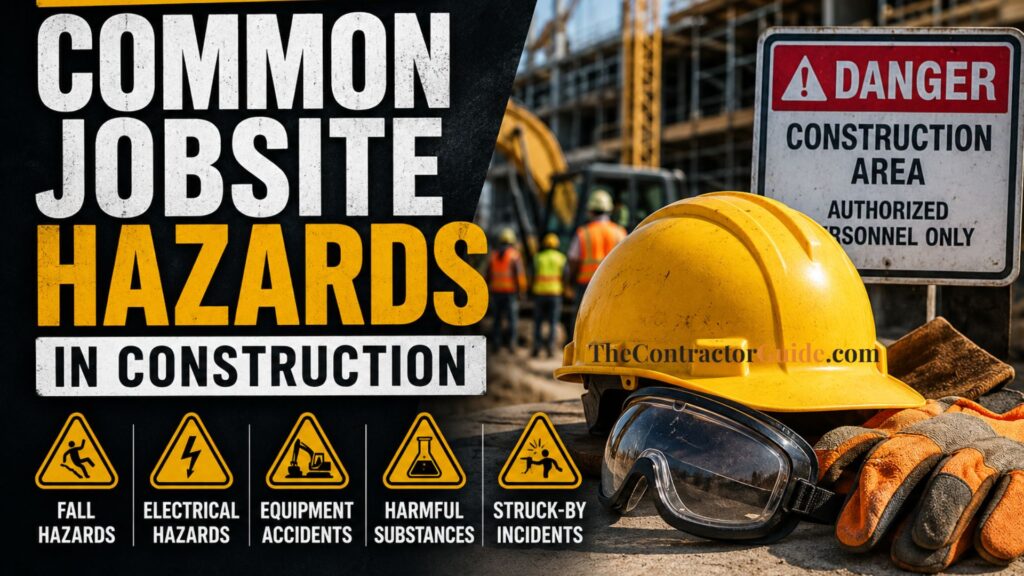
You might think construction sites are just about heavy machinery and tools, but the real dangers often go unnoticed. From falls to chemical exposures, various hazards lurk in plain sight. Understanding these risks is crucial for your safety and the well-being of your team. What might surprise you is how easily these hazards can be managed with the right knowledge and practices. Let’s explore what you need to know to stay safe on the job.
Understanding Jobsite Hazards: An Overview
Understanding jobsite hazards is crucial for anyone involved in construction, as these environments can be unpredictable and dangerous. You’ll encounter various risks, from heavy machinery to uneven surfaces. Awareness is your first line of defense; knowing what to look for helps keep you and your team safe.
Pay attention to weather conditions, as they can change quickly and impact safety. Recognize the importance of personal protective equipment (PPE) like helmets, gloves, and safety goggles—these aren’t just accessories; they’re essential tools.
Communicating with your coworkers about potential hazards fosters a culture of safety. Remember, you’re not alone in this; everyone’s committed to looking out for one another. Embracing this shared responsibility helps create a safer, more cohesive workplace.
The Risk of Falls: Causes and Prevention
Falls are one of the leading causes of injuries on construction sites, and they can happen in an instant if you’re not careful. Whether you’re working on scaffolding or a ladder, the risk is always present.
Common causes include uneven surfaces, slippery conditions, and inadequate safety measures. To prevent falls, always wear the right personal protective equipment, like harnesses and non-slip boots.
Regularly inspect your work area for hazards, and communicate with your team about potential risks. It’s essential to create a culture of safety where everyone looks out for one another.
Common Equipment Accidents and How to Avoid Them
Construction sites are bustling environments where equipment accidents can happen in the blink of an eye. To keep yourself and your teammates safe, always follow proper operating procedures.
Make sure you’re trained on any machinery you use and never take shortcuts. Before starting work, inspect your equipment for any issues. Clear the area of unnecessary personnel to prevent collisions or injuries.
When using heavy machinery, maintain a safe distance from others, and use spotters when needed. Always wear appropriate personal protective equipment (PPE) and ensure everyone on site does the same.
Electrical Hazards: Identifying Risks and Safety Measures
Electrical hazards rank among the most significant risks on construction sites. To keep yourself and your team safe, it’s crucial to identify these dangers and implement effective safety measures.
Here are some key electrical hazards to watch out for:
- Exposed wires and connections
- Overloaded circuits
- Wet or damp working conditions
- Lack of proper grounding
Always use personal protective equipment (PPE) and follow lockout/tagout procedures.
Make sure your team is trained to recognize risks and react appropriately. By prioritizing electrical safety, you contribute to a culture of care and responsibility on the job site.
What Should You Know About Harmful Substances on Site?
When you’re on a construction site, it’s crucial to recognize the types of harmful substances you might encounter, like chemicals and dust.
Understanding these hazards helps you take the right safety precautions to protect yourself.
Stay informed and vigilant to keep your work environment safe.
Types Of Harmful Substances
While on a job site, you might encounter various harmful substances that could pose serious health risks.
It’s crucial to recognize these hazards to protect yourself and your team. Here are some common types of harmful substances you’ll need to watch out for:
- Asbestos: Often found in older buildings, it can cause severe respiratory issues.
- Lead: Present in older paints and plumbing, it’s toxic, especially for children.
- Silica Dust: Generated from cutting or grinding materials, it can lead to lung disease.
- Chemicals: Cleaning agents or solvents can cause skin irritations and respiratory problems.
Being aware of these substances can help foster a safer work environment for everyone on site.
Stay informed and support each other in staying safe!
Safety Precautions Required
Understanding safety precautions is essential to minimize risks from harmful substances on site. First, always wear appropriate personal protective equipment (PPE), like gloves, masks, and goggles. These items shield you from potential exposure to chemicals and dust.
Make sure you’re familiar with Material Safety Data Sheets (MSDS) for any substances you handle; they provide vital information on hazards and safe handling practices.
Proper storage is crucial, too. Keep chemicals in labeled containers and away from heat sources.
If you’re working with a team, communicate about hazardous tasks and ensure everyone knows the emergency procedures. Regular training can help keep everyone informed and prepared.
Essential Personal Protective Equipment for Construction Safety
To ensure safety on construction sites, having the right personal protective equipment (PPE) is crucial. Wearing appropriate PPE not only protects you but also fosters a culture of safety within your team.
Here are some essential items you should always have on hand:
- Hard hats for head protection against falling objects
- Safety glasses to shield your eyes from debris and harmful substances
- High-visibility vests to make sure you’re seen, especially in busy areas
- Steel-toed boots to prevent foot injuries from heavy materials
Struck-By Incidents: Statistics and Prevention Strategies
Struck-by incidents are among the leading causes of injuries on construction sites, and understanding the statistics can help you stay aware.
By recognizing common hazards, you can implement effective prevention strategies to protect yourself and your crew.
Let’s explore these key statistics and the best ways to minimize risks on the job.
Key Struck-By Statistics
Every year, thousands of construction workers face the risk of struck-by incidents, making it a critical safety concern. These incidents can lead to severe injuries or even fatalities.
Here are some key statistics that highlight the urgency:
- Roughly 75% of struck-by fatalities involve heavy equipment.
- Workers are most often injured by falling objects.
- Struck-by incidents account for 9% of all construction fatalities.
- The construction sector sees approximately 200,000 struck-by injuries annually.
Understanding these numbers emphasizes the need for vigilance on the job site.
You’re part of a community that values safety, and knowing these statistics can help you advocate for better practices and protections on your team.
Let’s work together to make our sites safer for everyone.
Effective Prevention Strategies
With the alarming statistics on struck-by incidents, it’s vital to implement effective prevention strategies on the job site.
First, ensure everyone wears appropriate personal protective equipment (PPE) like hard hats and high-visibility vests.
Next, conduct regular safety meetings to discuss potential hazards and encourage open communication about concerns.
Use barriers and signage to clearly mark dangerous areas and keep workers aware of moving equipment.
Designate a spotter when operating heavy machinery to maintain clear sightlines.
Lastly, promote a culture of safety where everyone feels responsible for looking out for one another.
By adopting these strategies, you’re not just protecting yourself; you’re fostering a safer environment for the entire team.
Together, we can reduce risks and create a more secure workplace.
Trenching and Excavation Hazards: How to Stay Safe
When working in trenches or excavations, understanding the hazards is crucial for your safety. These work areas can pose significant risks, but by recognizing them, you can take action to protect yourself and your team.
Here are some key hazards to watch for:
- Cave-ins: These are the most dangerous, leading to serious injuries or fatalities.
- Falls: Uneven surfaces or lack of guardrails can cause slips and falls.
- Hazardous Atmospheres: Poor ventilation can lead to toxic gases or low oxygen levels.
- Equipment Safety: Machinery around the site can pose risks if not used properly.
Stay vigilant, follow safety protocols, and always communicate with your crew.
Fire Risks on Construction Sites: Prevention Strategies
On a construction site, identifying fire hazards is crucial for your safety and that of your crew.
You need to recognize potential risks and implement effective safety protocols to prevent fires before they start.
Let’s explore some strategies to keep your jobsite safe from fire dangers.
Identifying Fire Hazards
Identifying fire hazards on construction sites is crucial for ensuring safety. By recognizing potential risks, you can help create a safer environment for everyone involved.
Here are some common fire hazards to watch for:
- Flammable materials: Store them properly and away from heat sources.
- Electrical equipment: Inspect for frayed wires or overloaded circuits.
- Open flames: Be cautious with torches or welding equipment; keep a fire extinguisher nearby.
- Waste disposal: Regularly remove combustible waste to prevent build-up.
Implementing Safety Protocols
Establishing robust safety protocols is essential to mitigate fire risks on construction sites. You need to ensure everyone on your team understands the importance of fire prevention.
Start by conducting regular fire safety training sessions, so everyone knows how to identify potential threats and respond effectively. Make sure to install fire extinguishers at key locations and keep them easily accessible.
Regularly inspect electrical equipment to prevent malfunctions that could lead to fires. Encourage open communication about safety concerns—when everyone feels comfortable speaking up, it strengthens your team’s commitment to safety.
Working at Heights: Best Practices for Safety
When you work at heights, understanding best practices for safety is crucial to preventing accidents and injuries.
Here are some key practices to keep in mind:
- Use proper fall protection: Always wear a harness and secure it properly.
- Inspect equipment regularly: Ensure ladders, scaffolds, and harnesses are in good condition.
- Maintain clear communication: Use signals or radios to stay in touch with your team.
- Stay alert and focused: Avoid distractions and keep your work area tidy to minimize risks.
Weather-Related Hazards: Preparing for the Elements
Weather can change rapidly on a construction site, making it essential to prepare for various elements that could pose hazards.
Whether it’s intense heat, freezing temperatures, or sudden storms, you need to stay vigilant. Always check the forecast before starting your day, and keep an eye on changing conditions.
Dress appropriately for the weather, layering up in cold or staying cool in the heat. Make sure to stay hydrated and take breaks in shaded areas during hot days.
For rainy or windy conditions, secure loose materials and equipment to prevent accidents.
Safe Lifting and Material Handling Techniques
After preparing for the elements, it’s time to focus on another critical aspect of construction safety: safe lifting and material handling techniques.
Using the right methods can keep you and your coworkers safe on the job. Here are some essential tips to follow:
- Always assess the weight of the load before lifting.
- Use the right body posture: bend your knees, not your back.
- Carry items close to your body to maintain balance.
- Utilize tools and equipment, like dollies or forklifts, whenever possible.
Chemical Safety: Understanding MSDS and Proper Handling
When working with chemicals on the job site, understanding the Material Safety Data Sheet (MSDS) is crucial for your safety.
You’ll need to know safe handling practices to prevent accidents and injuries.
Plus, being prepared for a chemical spill can make all the difference in keeping everyone safe.
Importance of MSDS
Understanding the importance of Material Safety Data Sheets (MSDS) is crucial for anyone working in construction, as these documents provide essential information about the chemicals you might encounter on the jobsite.
Familiarizing yourself with MSDS helps keep you and your coworkers safe. Here’s why it matters:
- Chemical Identification: Know what you’re working with.
- Health Hazards: Understand potential risks to your health.
- Protective Measures: Learn what gear and safety practices to use.
- Emergency Procedures: Be prepared for spills or accidents.
Safe Handling Practices
Handling chemicals safely on the jobsite is essential to prevent accidents and injuries. Always read the Material Safety Data Sheets (MSDS) before using any chemical. These sheets provide crucial information on hazards, handling procedures, and first aid measures.
Wear appropriate personal protective equipment (PPE) like gloves, goggles, and respirators to shield yourself from potential risks. When transferring chemicals, do it carefully to avoid spills, and use proper containers that are clearly labeled.
Store chemicals in designated areas, away from heat and incompatible substances. If you’re unsure about a chemical’s safety, don’t hesitate to ask a supervisor or a team member for guidance.
Together, we can maintain a safer work environment for everyone.
Chemical Spill Response
Responding quickly and effectively to a chemical spill is crucial for minimizing risks to health and safety. Here’s how you can ensure a safe response:
- Identify the chemical: Check the Material Safety Data Sheet (MSDS) for specific hazards.
- Evacuate the area: Ensure everyone is at a safe distance before addressing the spill.
- Use appropriate PPE: Wear gloves, goggles, and masks as required for protection.
- Contain the spill: Use absorbent materials or barriers to prevent further spread.
Addressing Mental Health Risks in Construction
While construction sites are often associated with physical hazards, mental health risks can be just as dangerous. Long hours, high-pressure environments, and job insecurity can take a toll on your mental well-being.
It’s crucial to recognize the signs of stress, anxiety, or depression in yourself and your coworkers. Create an atmosphere where everyone feels safe to share their feelings and seek help.
Simple actions like checking in with each other can foster a supportive culture. Encourage open conversations about mental health and remind your team that it’s okay to ask for help.
Together, you can build not just structures, but a resilient community that prioritizes mental well-being as much as safety on the job.
Best Practices for Reporting Incidents and Safety Responses
Recognizing the impact of mental health on construction workers is just the beginning; ensuring safety on the job requires a robust incident reporting system.
When incidents occur, it’s essential to act swiftly and effectively. Here are some best practices to follow:
- Encourage openness: Create an environment where workers feel safe reporting incidents without fear of reprisal.
- Document everything: Ensure all incidents are recorded accurately, including details and witness accounts.
- Provide training: Equip your team with the skills to identify and report hazards promptly.
- Follow up: After an incident, review the response and implement any necessary changes to prevent future occurrences.
Conclusion
In construction, staying aware of jobsite hazards is as crucial as wearing your hard hat. By understanding risks like falls, equipment accidents, and chemical exposure, you can protect yourself and your team. Remember, safety isn’t just a protocol; it’s a culture you help create every day. Always communicate, use your PPE, and follow safety measures. Together, you can build a safer work environment, ensuring everyone goes home unharmed. Stay vigilant; your safety matters!